

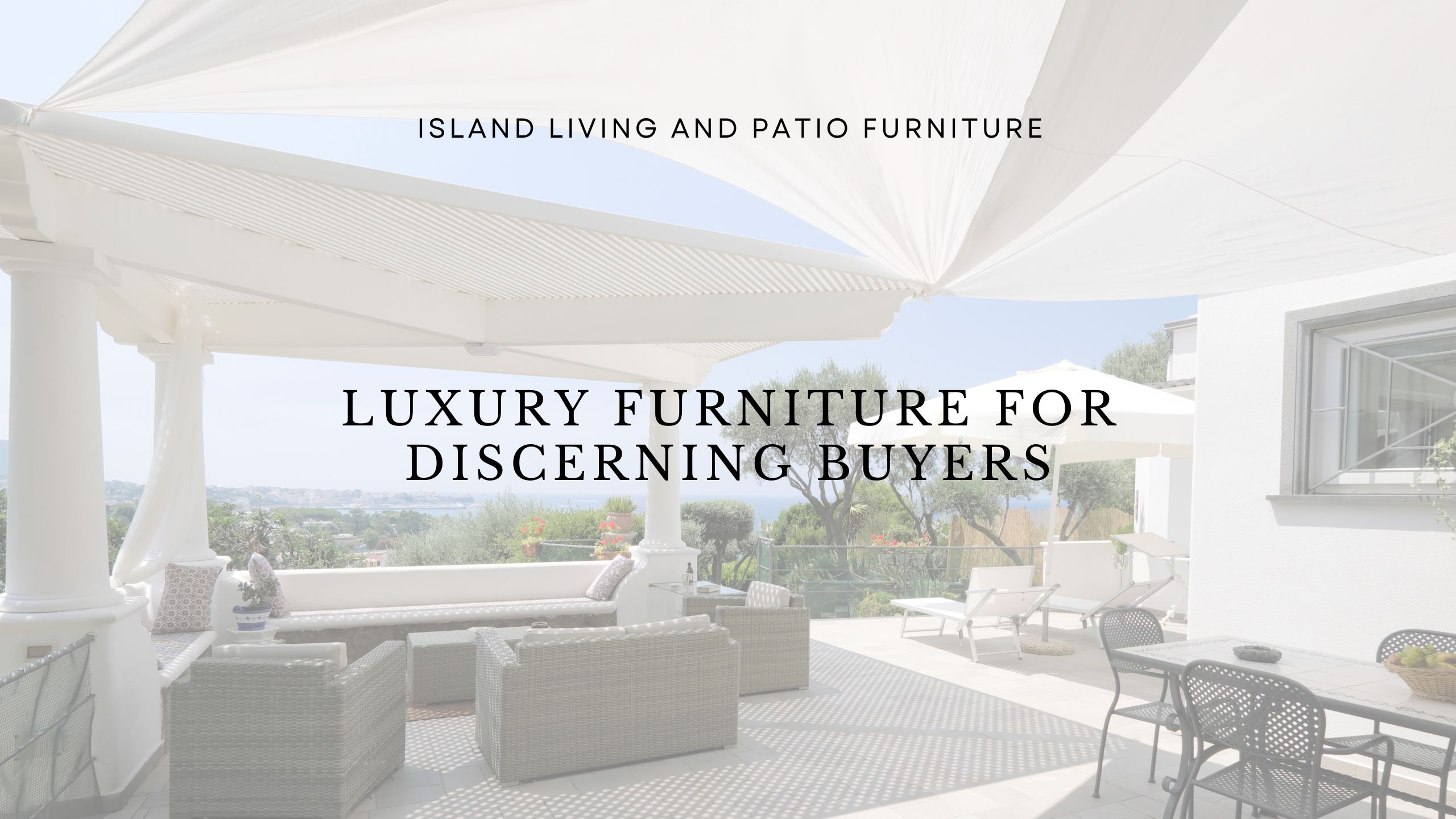
How should outdoor living spaces be zoned for different activities (cooking, dining, lounging, entertaining)?
How Should Outdoor Living Spaces Be Zoned For Different Activities (Cooking, Dining, Lounging, Entertaining)?: Outdoor areas in West Palm Beach should be strategically divided to cater to various activities like cooking, dining, lounging, and entertaining
Your solution for outdoor living spaces design in West Palm Beach is Island Living and Patio Furniture. We can assist you with arranging your outdoor areas for various activities such as cooking, dining, lounging, and entertaining.
Designing Functional Outdoor Spaces in West Palm Beach, FL
When creating outdoor living spaces in West Palm Beach, it is essential to consider the following aspects:
- Zoning for Activities: Separate designated zones for cooking, dining, lounging, and entertaining to optimize the functionality of your outdoor space.
- Furniture Selection: Choose durable and weather-resistant furniture pieces that complement the design of your outdoor area.
- Lighting: Incorporate adequate lighting options to create ambiance and ensure visibility during evening gatherings.
- Greenery and Landscaping: Integrate plants, shrubs, and trees to enhance the natural appeal of your outdoor space.
- Shade Solutions: Install umbrellas, pergolas, or awnings to provide shade and protection from the sun’s rays.
- Outdoor Kitchen Design: If cooking is a priority, consider designing a functional outdoor kitchen with necessary amenities.
- Entertainment Features: Incorporate elements like fire pits, outdoor speakers, or a projector for a complete entertaining experience.
Island Living and Patio Furniture 1700 Upland Rd, West Palm Beach, FL 33409, (561) 683-7373
For more information – Click Here
Optimizing Outdoor Areas for Cooking and Grilling
When designing your outdoor space for culinary adventures, consider different zones that cater to various activities. Here are some expert insights to help you create the ultimate outdoor cooking and grilling haven:
- Choose the Right Location: Select a spot that balances convenience with aesthetics. Consider proximity to the kitchen for easy access to ingredients, as well as wind direction for efficient grilling.
- Designated Cooking Area: Define a specific area for your grill or outdoor kitchen. This helps create a focal point while keeping other zones free for dining or lounging.
- Enhance Safety Measures: Install proper ventilation and fireproof materials to ensure safety when cooking outdoors. Consider incorporating a fire extinguisher nearby for emergencies.
Creating distinct zones for cooking and grilling allows for a seamless outdoor dining experience. By optimizing your outdoor space with thoughtful design and functionality, you can elevate your culinary adventures to new heights.
Creating Inviting Dining Zones for Al Fresco Meals
When designing outdoor spaces for dining al fresco, it is crucial to consider various elements that contribute to a welcoming and functional dining area. Here are some expert tips to help you create an inviting dining zone for your outdoor living space:
- Location: Choose a spot that is sheltered from strong winds but still allows for natural ventilation to create a comfortable dining experience.
- Furniture Selection: Opt for durable, weather-resistant furniture that is both stylish and comfortable for prolonged dining sessions.
- Lighting: Incorporate ambient lighting options such as string lights, lanterns, or candles to set the mood and ensure visibility during evening meals.
Pros of a Well-Designed Dining Zone:
- Enhances the overall appeal of your outdoor space.
- Creates a dedicated area for dining, making it easier to entertain guests.
- Encourages regular outdoor dining, which has numerous health and social benefits.
Cons of an Ill-Planned Dining Zone:
- Uncomfortable seating arrangements can discourage prolonged dining experiences.
- Poor lighting can affect the ambiance and practicality of the dining area.
- Inadequate protection from the elements may limit the usability of the dining zone.

Stylish Lounge Areas for Relaxing Outdoors
When it comes to creating chic and comfortable lounge zones in your outdoor space, there are several key elements to consider. Here are some expert tips and insights to help you design the perfect outdoor relaxation spot:
- Opt for plush seating with soft cushions and throws to create a cozy atmosphere.
- Integrate natural elements like plants, stones, or a water feature to enhance the calming ambience.
- Consider incorporating a fire pit or outdoor heater for warmth and to extend the usability of the space during cooler evenings.
Creating a stylish lounge area outdoors is not just about the furniture and decor; it’s also about the overall layout and flow of the space. By strategically placing seating areas, you can create different zones for relaxation, conversation, and enjoying the view.
One innovative idea is to include a built-in bar or serving area in your lounge space, making it easy to entertain guests and serve refreshments without needing to go back and forth to the indoor kitchen.
Another trend in outdoor lounge design is the use of versatile furniture pieces that can be easily rearranged to suit different activities, from sunbathing to stargazing.
Entertaining Guests: Setting Up Outdoor Social Spaces
Creating a dynamic outdoor environment for social gatherings can enhance the overall experience for both hosts and guests. When designing your outdoor social space, consider the following:
- Strategically placing seating arrangements to encourage conversation and interaction.
- Utilizing versatile furniture pieces that can be easily adjusted to accommodate different group sizes.
- Incorporating ambient lighting options to create a cozy and inviting atmosphere during evening gatherings.
For a more personalized touch, you can add elements like:
- An outdoor bar area for serving drinks and cocktails.
- A fire pit or outdoor fireplace to provide warmth and a focal point for gatherings.
- Outdoor speakers or a sound system to set the mood with music.
Consider the layout and flow of your outdoor space to ensure that guests can move around comfortably. Creating distinct zones for different activities can help in organizing the space effectively. Anticipating the needs of your guests and providing amenities such as outdoor games or a designated area for children can elevate the overall experience.
Maximizing Outdoor Living Spaces for Various Activities
When designing outdoor areas, it’s essential to consider the diverse array of activities that will take place in the space. By strategically zoning different sections, you can create a harmonious balance that caters to various needs and preferences.
- Cooking Areas: Incorporate a designated cooking zone equipped with a grill, smoker, or outdoor kitchen setup. This will not only streamline meal preparation but also keep the cooking process separate from other activities.
- Dining Spaces: Create a dedicated dining area that is easily accessible from the cooking zone. Consider adding a dining table, chairs, and possibly a shade structure to enhance comfort during meal times.
- Lounging and Relaxation: Designate a cozy corner or section for lounging and unwinding. This could include comfortable seating options, such as lounge chairs, hammocks, or a daybed, surrounded by greenery for a tranquil ambiance.
- Entertaining Zones: Set up an entertainment area that can accommodate guests for social gatherings. Integrate features like a fire pit, outdoor speakers, or a projector screen for movies under the stars to create a lively atmosphere.
Consider the following tips to optimize your outdoor living space:
- Utilize Multi-functional Furniture: Invest in pieces that can serve dual purposes, such as storage benches that also act as seating.
- Incorporate Lighting: Enhance the ambiance and functionality of the space with a mix of task lighting, ambient lighting, and decorative fixtures.
- Designate Traffic Flow: Ensure there are clear pathways between different zones to facilitate movement and prevent overcrowding.