

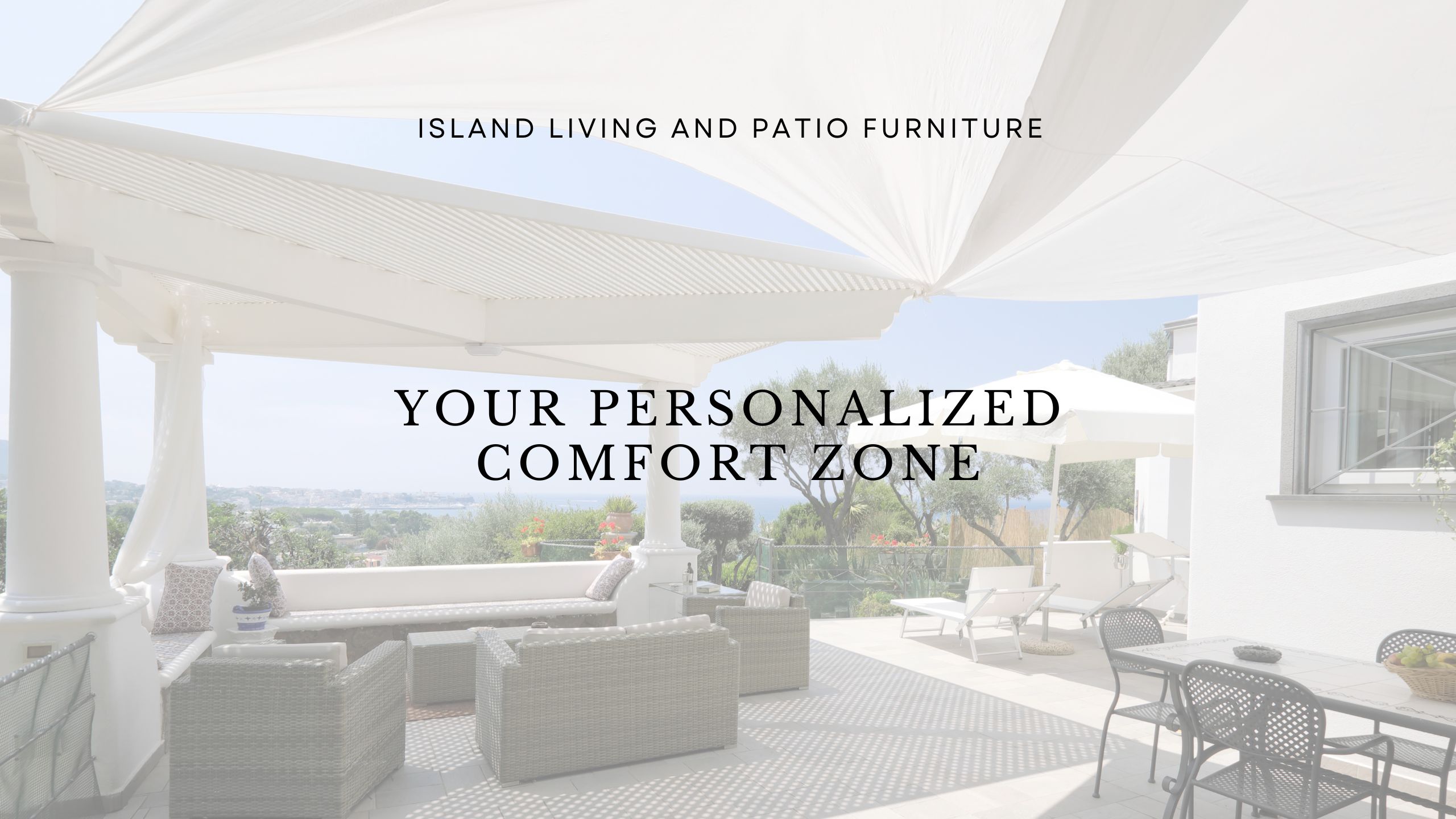
What are the ideal dimensions and spacing requirements for different outdoor living components?
What Are The Ideal Dimensions And Spacing Requirements For Different Outdoor Living Components?: The recommended sizes and layout specifications for various outdoor elements in West Palm Beach, FL vary depending on the type of component
At Island Living and Patio Furniture, we specialize in helping customers find the perfect dimensions and spacing requirements for various outdoor living components. Our team in West Palm Beach, FL is dedicated to assisting our clients in achieving their ideal outdoor living spaces.
Optimal Dimensions for Outdoor Seating Areas
When creating outdoor seating areas, it is essential to consider the space available and the functionality desired. Here are some key factors to keep in mind:
- Determine the primary use of the seating area, whether it is for dining, lounging, or entertaining.
- Consider the number of people you want to accommodate and ensure there is enough seating for everyone.
- Factor in the surrounding landscape and views to maximize the enjoyment of the outdoor space.
Additionally, spacing requirements play a crucial role in the comfort and functionality of outdoor seating areas. Here are some guidelines to follow:
- Allow for adequate space between seating areas to ensure ease of movement and conversation.
- Consider the placement of other outdoor living components, such as fire pits or dining tables, to create a cohesive and inviting atmosphere.
- Balance the dimensions of the seating areas with the overall size of the outdoor space to create a harmonious design.
Island Living and Patio Furniture 1700 Upland Rd, West Palm Beach, FL 33409, (561) 683-7373
For more information – Click Here
Strategic Spacing for Dining Sets in Outdoor Spaces
When setting up your outdoor dining area, it is vital to consider the strategic spacing of the dining sets to ensure optimal functionality and aesthetics. Here are some insightful tips and considerations for achieving the perfect layout:
- Consider the size of the dining sets in relation to the available outdoor space to avoid overcrowding or sparse arrangements.
- Ensure there is ample space between each dining chair to allow guests to move comfortably and prevent a cramped feel.
- Strive for a balance between intimacy and openness by spacing the dining sets in a way that encourages conversation while maintaining a sense of privacy.
Additionally, incorporating a focal point such as a fire pit or a decorative centerpiece can enhance the overall ambiance of the outdoor dining area. This can serve as a gathering point and anchor the space, creating a cohesive and inviting environment for dining and socializing.
- Pros:
- Well-planned spacing enhances comfort and functionality.
- Strategic layout contributes to a visually appealing outdoor dining area.
- Optimal spacing promotes a relaxing and enjoyable dining experience for guests.
- Cons:
- Overcrowded dining sets can lead to discomfort and restricted movement.
- Inadequate spacing may diminish the overall aesthetic appeal of the outdoor area.
Suggested Measurements for Outdoor Kitchen Installations
When determining the layout of your outdoor kitchen, it is crucial to consider the following suggested measurements to ensure a functional and aesthetically pleasing space:
- Countertop Height:
- Standard countertop height ranges from 36 to 38 inches, providing a comfortable surface for food preparation and cooking activities.
- Consider adjusting the height based on the primary users’ preferences to optimize comfort and usability.
- Work Triangle Dimensions:
- The work triangle, connecting the cooktop, sink, and refrigerator, should have sides totaling between 12 and 26 feet for efficient workflow.
- Ensure there is adequate space between these components to facilitate movement and minimize congestion while cooking.
- Appliance Spacing:
- Leave at least 15 inches of countertop space on either side of the cooking appliance to provide ample room for food preparation and serving.
- Consider the ventilation requirements of each appliance and allow for sufficient clearance to ensure safety and performance.

Optimal Placement of Fire Features
When considering the placement of fire pits and heating elements in your outdoor living space, several factors come into play that can enhance not only the aesthetic appeal but also the functionality of your design. Here are some key aspects to keep in mind:
- Distance from Seating Areas: Maintaining a balance between proximity and safety is crucial. Placing the fire feature too close to seating areas can pose a risk of overheating, while situating it too far away may diminish its warming effects.
- Integration with Surrounding Elements: Harmonizing the fire pit or heater with the overall landscape design is essential for creating a cohesive and inviting atmosphere. Consider complementing materials, colors, and shapes for a unified look.
- Ventilation and Airflow: Ensuring proper ventilation around the fire feature is vital for safety and efficient operation. Positioning it in an area with adequate airflow will help prevent smoke accumulation and provide a more enjoyable experience for users.
Pros of Strategic Placement:
- Enhanced Ambiance
- Improved Safety
- Efficient Heating Distribution
Cons of Poor Placement:
- Risk of Overheating
- Inadequate Ventilation
- Disjointed Aesthetic
Recommended Spacing for Outdoor Decor and Accessories
When it comes to enhancing your outdoor living space with decor and accessories, the placement and spacing play a crucial role in creating a harmonious and inviting atmosphere. Here are expert suggestions and insights on optimizing the arrangement:
- Consider the visual balance: Ensuring adequate spacing between outdoor components prevents overcrowding and allows each piece to shine individually.
- Utilize the rule of thirds: Divide your outdoor area into thirds both horizontally and vertically to guide the placement of decor elements for a visually appealing setup.
- Factor in the viewing angles: Place taller accessories towards the back and lower elements towards the front to create depth and interest in the landscape.
Additionally, incorporating pathways or designated walkways within your outdoor space can provide not only practicality but also serve as a design element that ties the decor together. By strategically placing accessories along these pathways, you can guide the flow of movement and draw attention to key focal points.
| Pros | Cons |
|---|---|
| Enhances visual appeal | May require frequent adjustments |
| Creates a cohesive look | Spacing limitations in small areas |
- Expert Tip: Use large outdoor decor pieces as focal points and build around them with complementary accessories.
- Expert Tip: Opt for weather-resistant materials to ensure longevity and durability in outdoor settings.
Tips for Creating a Comfortable Outdoor Space
When arranging furniture for your outdoor living area, consider these expert suggestions to achieve a cozy atmosphere:
- Opt for versatile seating options that can be easily rearranged to suit different gatherings.
- Integrate various textures such as cushions, rugs, and throws to add depth and warmth to the space.
- Utilize lighting fixtures strategically to create ambiance during evening gatherings.
It’s essential to strike a balance between functionality and aesthetics when designing your outdoor space. By carefully selecting furniture pieces that complement the overall theme of the area, you can enhance the comfort and visual appeal of the space. Additionally, incorporating elements such as planters, decorative screens, and outdoor rugs can help delineate different zones within the area, adding visual interest and a sense of coziness.
Consider the following pros and cons of different furniture arrangements to find the best fit for your outdoor space:
| Pros | Cons |
|---|---|
| Encourages social interaction | May limit the flexibility of the space |
| Creates a focal point | Could lead to a cluttered look if not planned properly |
| Maximizes seating capacity | May obstruct traffic flow |
- Experiment with different furniture layouts to find the most comfortable arrangement for your space.
- Consider the natural flow of movement and ensure that there is ample space between furniture pieces for easy navigation.
- Don’t be afraid to mix and match different styles and materials to create a unique and inviting outdoor environment.