
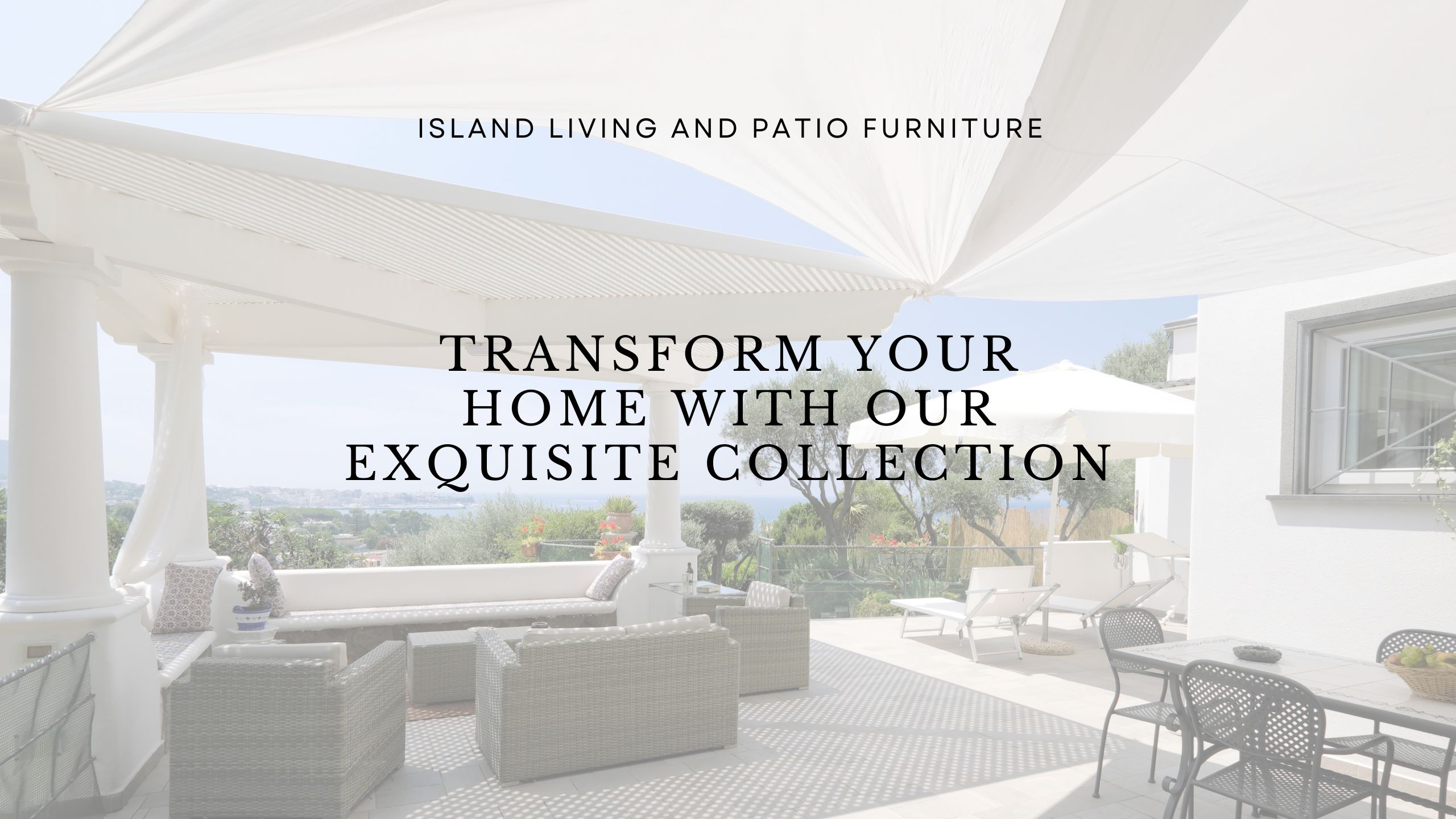
Best Materials for Patio Furniture in Hot Humid Florida Climate
The best materials for patio furniture in hot, humid climates like Florida are marine-grade aluminum, high-density polyethylene (HDPE), premium teak, and all-weather wicker with powder-coated aluminum frames. These materials resist moisture damage, UV degradation, salt air corrosion, and mildew growth that destroy lesser outdoor furniture within months in South Florida’s demanding environment.[1] After three decades serving West Palm Beach and the surrounding region, Karen Brams and Karen Kirk—founders of Island Living & Patio and 3x ICFA Apollo Award Finalists—have witnessed firsthand which materials perform and which fail under Florida’s relentless sun, afternoon thunderstorms, and coastal humidity.
What Makes Florida’s Climate So Challenging for Outdoor Furniture?
Florida’s climate combines intense UV radiation (20-30% higher than northern states), 70-90% relative humidity year-round, frequent salt air exposure, and temperature swings that accelerate material degradation.[2] West Palm Beach receives approximately 230 sunny days annually with UV index readings regularly exceeding 10 during peak months, causing rapid fading and polymer breakdown in untreated materials. The state’s subtropical and tropical zones maintain humidity levels above 70% even during winter months, creating perfect conditions for mold, mildew, and rust formation on improperly treated metals.
Coastal areas within 10 miles of the Atlantic experience constant salt air exposure that accelerates corrosion on ferrous metals and degrades certain plastics and fabrics.[3] Summer afternoon thunderstorms deliver sudden temperature drops of 15-20 degrees combined with heavy rainfall, causing expansion and contraction cycles that stress joints, finishes, and composite materials. These combined factors explain why standard patio furniture sold in moderate climates typically fails within 18-36 months in South Florida, while properly specified materials from manufacturers like Brown Jordan and Gloster routinely perform for 15-20 years.
Why Is Marine-Grade Aluminum the Top Choice for Florida Patio Furniture?
Marine-grade aluminum (alloy 5052 or 6061) offers the best strength-to-weight ratio, complete rust immunity, and exceptional longevity in coastal environments, making it the preferred frame material for luxury outdoor furniture in Florida.[4] Unlike steel or cast iron, aluminum forms a protective oxide layer that prevents corrosion even under constant salt air exposure. Premium manufacturers extrude aluminum frames as single pieces rather than welding joints, eliminating weak points where moisture can penetrate.
High-quality aluminum furniture features powder-coated finishes electrostatically bonded at 400°F, creating a ceramic-like shell that resists chipping, fading, and UV damage for decades.[1] Castelle applies multiple powder-coat layers totaling 3-5 mils thickness, compared to 1-2 mils on economy furniture. The material’s lightweight nature (one-third the weight of steel) simplifies rearrangement for hurricane preparation while maintaining structural integrity in 150+ mph winds when properly secured. Aluminum frames typically carry 10-15 year warranties from premium manufacturers, with real-world lifespans exceeding 25 years in South Florida installations our design team has monitored since the late 1990s.
How Does Teak Wood Perform in Hot, Humid Florida Weather?
Premium Grade A teak contains natural oils (tectoquinone) and tight grain structure that repel moisture, resist insect damage, and prevent rot even in Florida’s humid environment, though it requires acceptance of silver-gray patina development.[5] Teak’s dimensional stability—minimal expansion and contraction despite humidity changes—prevents the warping and splitting common in other hardwoods. The wood’s natural silica content makes it exceptionally hard (Janka rating 1,000-1,155) and resistant to scratching, denting, and wear from outdoor use.
Properly kiln-dried Grade A teak from manufacturers like Summer Classics starts with a warm honey-brown color but develops a distinguished silver-gray patina within 6-12 months of Florida sun exposure unless regularly treated with teak oil. This weathering process affects only surface appearance—not structural integrity—and many designers prefer the sophisticated gray aesthetic for coastal properties. Teak furniture requires minimal maintenance beyond annual cleaning with mild soap and water, though owners desiring the original color must apply teak sealer every 3-4 months. Expected lifespan in South Florida exceeds 20-30 years for premium pieces with mortise-and-tenon joinery and marine-grade stainless steel (316) hardware.
What Are the Benefits of HDPE (High-Density Polyethylene) for Florida Patios?
HDPE outdoor furniture made from recycled plastic offers complete moisture impermeability, zero maintenance requirements, and immunity to mold, mildew, insects, and UV degradation when manufactured with proper stabilizer packages.[6] Unlike wood or metal, HDPE never requires painting, staining, sealing, or refinishing—it simply rinses clean with a garden hose. The material won’t splinter, crack, rot, or rust regardless of sun or moisture exposure, making it ideal for pool decks, waterfront installations, and areas receiving constant irrigation overspray.
Quality HDPE furniture incorporates UV stabilizers (typically 8-12% by weight) and colorfast pigments throughout the material rather than surface coatings that wear away.[4] This through-color construction means scratches don’t reveal different underlying colors. The material’s density (0.95 g/cm³) provides substantial weight and durability while remaining lighter than wood or metal alternatives. Premium HDPE pieces feature stainless steel hardware and reinforced stress points to prevent sagging in Florida’s heat. While HDPE softens slightly at temperatures above 120°F (achievable on dark-colored pieces in direct July sun), it regains rigidity as it cools without permanent deformation. Expected lifespan exceeds 20 years with warranties typically covering 10-15 years against fading, cracking, and structural failure.
Does All-Weather Wicker Hold Up in Florida’s Humidity and Rain?
Synthetic all-weather wicker made from high-density polyethylene resin woven over powder-coated aluminum frames delivers the classic wicker aesthetic while resisting moisture damage, UV fading, and mildew that destroy natural wicker within months in Florida.[7] Traditional rattan and natural fiber wicker absorb moisture, promoting rot and providing ideal conditions for mold growth in humid climates—making them completely unsuitable for South Florida outdoor use. Synthetic wicker replicates natural texture and appearance while offering performance advantages crucial for tropical environments.
Premium manufacturers extrude HDPE resin into various wicker profiles (flat, round, half-round) with UV inhibitors and fade-resistant pigments integrated throughout the material. The synthetic strands are hand-woven over aluminum frames using techniques identical to traditional wicker construction, then heat-sealed at stress points to prevent unraveling. Quality all-weather wicker features 2-3mm strand thickness compared to 1-1.5mm on budget furniture, providing superior durability and a more authentic appearance. The non-porous surface resists mildew, cleans easily with mild soap solution, and maintains color integrity for 7-10 years before noticeable fading. Combined with rust-proof aluminum frames and Sunbrella cushions, all-weather wicker furniture from collections we feature typically performs 12-18 years in South Florida installations before requiring replacement.
Ready to invest in outdoor furniture that performs as beautifully as it looks? Visit Island Living & Patio at 1700 Upland Rd, West Palm Beach or call (561) 842-0511 to schedule a personalized design consultation with our award-winning team. Contact us today.
How Do Different Patio Furniture Materials Compare for Florida Use?
Material selection dramatically impacts furniture longevity, maintenance requirements, and total cost of ownership in Florida’s demanding climate. The following comparison evaluates the five most common outdoor furniture materials based on three decades of performance data from South Florida installations:
| Material | Humidity/Moisture Resistance | UV/Fade Resistance | Maintenance Level | Expected Florida Lifespan |
|---|---|---|---|---|
| Marine-Grade Aluminum | Excellent (rust-proof) | Excellent with powder coat | Minimal (annual cleaning) | 20-30+ years |
| Premium Teak (Grade A) | Excellent (natural oils) | Good (patinas to gray) | Low (optional oil/sealer) | 25-40 years |
| HDPE (High-Density Polyethylene) | Excellent (impermeable) | Excellent (through-color) | Minimal (hose rinse) | 15-25 years |
| All-Weather Wicker | Very Good (synthetic resin) | Very Good (UV stabilizers) | Low (periodic cleaning) | 12-18 years |
| Cast Iron (coated) | Poor (requires intact coating) | Fair (coating degrades) | High (annual refinishing) | 8-12 years with maintenance |
Cast iron and steel furniture require vigilant maintenance in coastal Florida environments, with even small coating chips allowing rust to spread rapidly beneath the surface finish.[3] While these materials suit covered terraces with minimal moisture exposure, they represent poor value for typical South Florida patio applications compared to corrosion-immune alternatives.
Frequently Asked Questions
What patio furniture material requires the least maintenance in Florida?
HDPE (high-density polyethylene) requires the least maintenance, needing only periodic rinsing with a garden hose. Marine-grade powder-coated aluminum ranks second, requiring annual cleaning with mild soap and water but no refinishing, sealing, or special treatments throughout its lifespan.
Can wood patio furniture survive Florida’s humidity and rain?
Only premium Grade A teak survives Florida’s climate long-term due to its natural oils and tight grain structure. Other hardwoods like eucalyptus, acacia, and shorea require significantly more maintenance and typically last only 5-8 years in South Florida compared to teak’s 25-40 year lifespan.
Is powder-coated aluminum better than painted aluminum for Florida?
Yes, powder coating is vastly superior to liquid paint for Florida outdoor furniture. The electrostatic powder-coat process creates a 3-5 mil ceramic-like finish bonded at 400°F that resists chipping, UV degradation, and salt air corrosion far better than 1-2 mil liquid paint that chips and peels within 2-3 years.
How close to the ocean can I place outdoor furniture without rapid deterioration?
Properties within 1 mile of the Atlantic experience heavy salt air exposure requiring marine-grade materials like aluminum, HDPE, synthetic wicker, or teak. Steel and cast iron corrode rapidly even with protective coatings. Premium materials from luxury manufacturers perform well even in direct oceanfront installations when properly maintained.
What hardware should I look for in Florida patio furniture?
Specify marine-grade stainless steel hardware (316 grade, not 304) for all fasteners, brackets, and connections. Aluminum, brass, or plastic hardware also resists corrosion. Avoid galvanized steel, zinc-plated fasteners, or any ferrous metals that rust rapidly in humid, salt-air environments regardless of coating.
South Florida’s outdoor living spaces deserve furniture engineered for the climate—not compromises that deteriorate within seasons. Visit Island Living & Patio at 1700 Upland Rd, West Palm Beach or call (561) 842-0511 to explore collections from premium manufacturers that stand the test of time. Our design team brings decades of expertise to every consultation.
Written by The Island Living & Patio Team — 3x ICFA Apollo Award Finalist (2023–2025) | Authorized Dealer: Brown Jordan, Castelle, Lloyd Flanders, TUUCI, Gloster, Lynx, Summer Classics & More | Karen Brams & Karen Kirk, Owners | West Palm Beach, FL | Serving South Florida Since 2005. Updated March 2026.
References
- American Society for Testing and Materials (ASTM). ASTM B221 – Standard Specification for Aluminum and Aluminum-Alloy Extruded Bars, Rods, Wire, Profiles, and Tubes. https://www.astm.org/b0221-14.html
- National Oceanic and Atmospheric Administration (NOAA). Climate Data for West Palm Beach, Florida – Temperature, Humidity, and UV Index Records. https://www.ncdc.noaa.gov/cdo-web/
- NACE International (National Association of Corrosion Engineers). Corrosion Costs and Preventive Strategies in Marine Environments. https://www.nace.org/
- Aluminum Association. Properties and Performance of Aluminum Alloys in Outdoor Applications. https://www.aluminum.org/
- Forest Products Laboratory, USDA. Durability and Natural Resistance of Tropical Hardwoods – Focus on Teak (Tectona grandis). https://www.fpl.fs.fed.us/
- Society of Plastics Engineers. High-Density Polyethylene Properties, UV Stabilization, and Outdoor Performance. https://www.4spe.org/
- International Casual Furnishings Association (ICFA). Performance Standards for All-Weather Wicker and Synthetic Outdoor Materials. https://www.casualfurnishings.org/